Join us at our next Open Event


Waynflete Studies Prizegiving 2026
Yesterday, we were delighted to celebrate another year of impressive research undertaken by our Lower Sixth pupils at the Waynflete Studies Prizegiving. The Master, Helen Pike, joined Chairman of Judges Dr Michael Allingham to present the prizes.
The prizegiving marked the culmination of last year’s Waynflete Studies programme, during which every Lower Sixth pupil completed an extended piece of independent research. From the sciences and humanities to languages, music and the arts, the projects reflected an impressive breadth of interests, with pupils investigating subjects well beyond the boundaries of their usual curriculum.
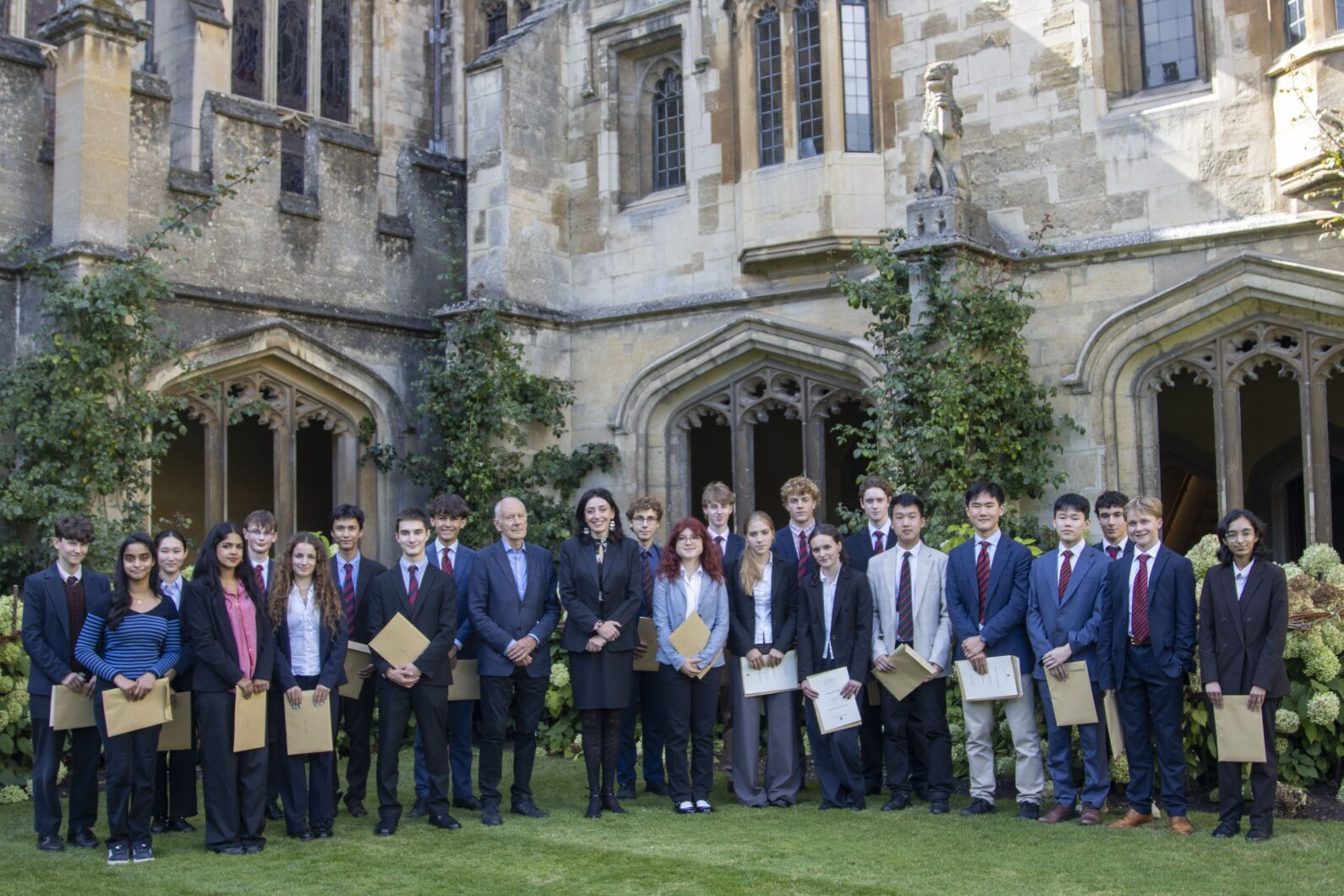
Each pupil pursued a topic of their choice with guidance from an MCS supervisor and external academic tutors. The strongest submissions were then considered by a panel of external judges, including academics from the University of Oxford. With so many thoughtful and original projects among this year’s entries, the judging panel faced the considerable challenge of selecting the final prize-winners and highly commended projects.
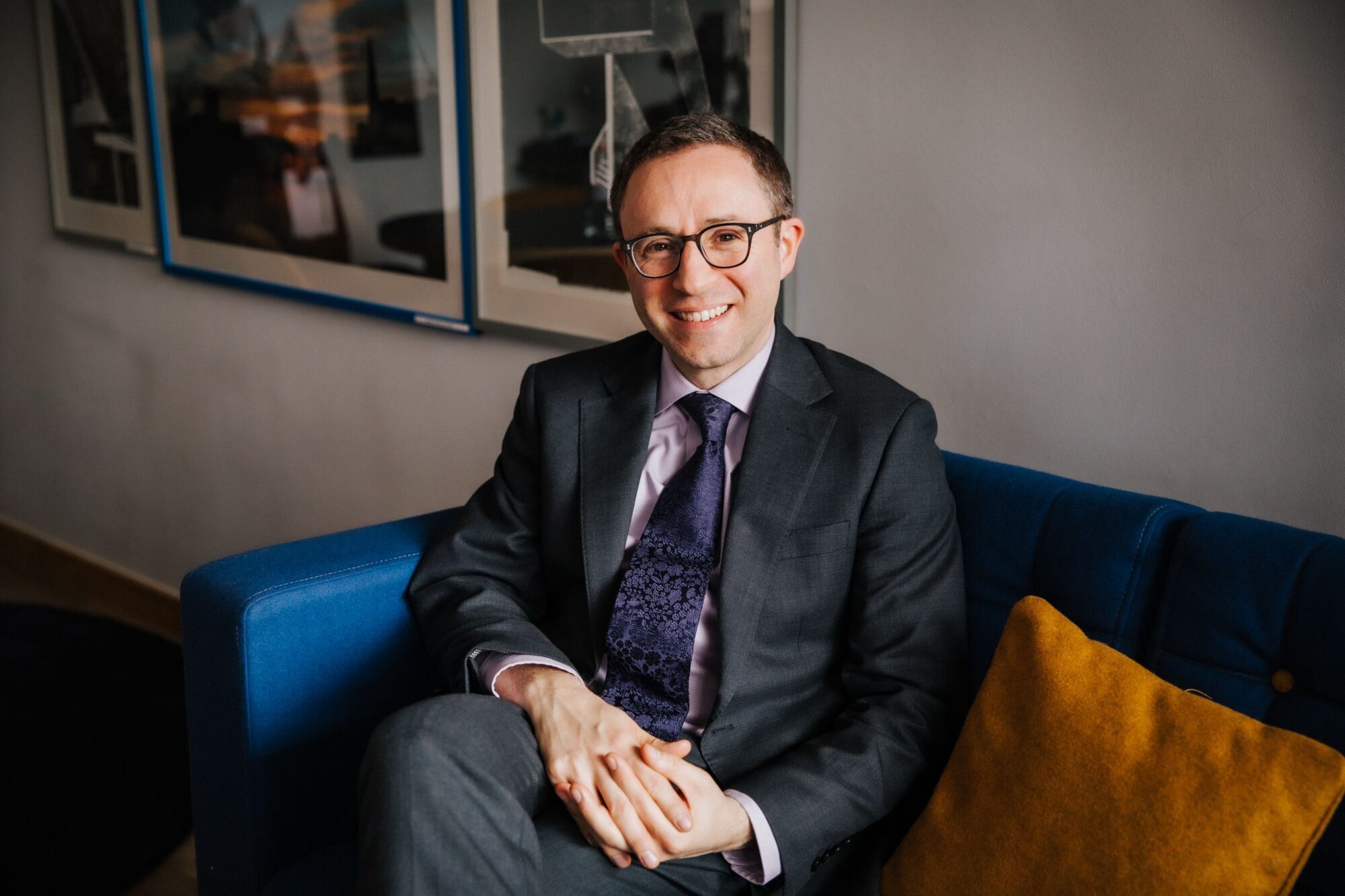
We were delighted to welcome back Chairman of Judges Dr Michael Allingham to present the prizes. An Emeritus Fellow of Magdalen College, he served as its Frank Richardson Fellow and Tutor in Economics from 1993 to 2009. His research interests span equilibrium theory, rational choice theory and distributive justice, making him especially well placed to recognise the rigorous thinking and intellectual independence demonstrated by our pupils.
Overall Winner
Alexander Osprey, Physical Sciences
Measuring the weather with cosmic rays: Does wind affect muon rates underground?
Proxime Accessit
Nathan Shen, Economics
To what extent can bargaining game theory models explain the outcomes of the 2018 US China Trade war?
President’s Prizes
Richard Hall, Biosciences
To what extent does birth order have an impact on child development, behaviour, and health?
Tvisha Lakshmeesh, Biosciences
From Anatomy to Attractors: To what extent does an electrical and dynamical interpretation of ischaemic stroke reframe recovery beyond structural restoration?
Sophia Pavlides, Biosciences
To what extent could CAR-T cell therapies be effective at treating solid tumours?
Max Thomas, Biosciences
To what extent can GLP-1 receptor agonists revolutionize the landscape of obesity and its comorbidities?
Ruby Yao, Biosciences
To what extent could piezoelectric materials revolutionise chronic wound treatment?
Cerys Obbink, Maths & Computer Science
Do modern LLMs reason with idioms in the same way as humans?
Zimo Xu, Economics
To what extent does for-profit provision of residential elderly care improve or undermine key social objectives in the UK
Freddie Chamberlain, History
To what extent did Michael Collins’ decision to sign the Anglo-Irish Treaty create lasting fragmentation within the Republican movement?
Nahum Whyte, History
A World Without the Soviet Union: The Economic, Political and Social Repercussions for Cuba, 1990-2000
Calvin Dai, Physical Sciences
Desktop star in a jar: An evaluation of compact inertial electrostatic confinement fusion devices as neutron sources for neutron activation analysis
Many congratulations to our prize-winners! We are very grateful to Magdalen College and the University of Oxford for supporting our pupils.